Unspoken History of the
Missouri Armadillo

Once, they were found only in South and Central America, where car-size shells of prehistoric armadillos are sometimes found. They eventually crossed into Texas in the 1800’s.
2024 - Armadillos in almost every county in Missouri.
2000 – Armadillo’s sightings north of the Missouri River.
1990’s – Armadillos Central Missouri.
1980’s – Armadillos common place Southwest Missouri.
1940’s – Armadillos – Missouri first sighting were thought to be a fluke - maybe smuggled in as pets or possibly carried north as accidental cargo on trucks.
While Missouri Department of Conservation has changed the Armadillo from Invasive, to Non-Native to Native - MDC regulations protect Armadillos and MDC now call them Native Species without any Scientific or beneficial reason to native wildlife and insects.
MDC Wildlife biologist for the conservation department. “Despite their increasing prevalence, ARMADILLIOS ARE NOT closely monitored by the Missouri Department of Conservation”
So they do not know the affects on REAL native wildlife.
There is no hunting or trapping season for the armadillo. However, the Wildlife Code of Missouri specifies that damage-causing armadillos may be trapped or shot to prevent further damage. Because of this the Armadillo is protected on all Conservation areas, Mark Twain National Forest, and other lands managed by the Missouri Department of Conservation.
That means over 1.5 million acres throughout Missouri are Armadillo Sanctuaries.
MDC biologists for decades originally told the public the winters keep them from moving North.
MDC wildlife biologist for the conservation department. “I’ve been doing this for 18 years now, and when I started, we were just starting to see armadillos around. We really were telling people, ‘We will get a couple harsh winters, and they’ll die off. They’re just not well equipped to survive our winter. They don’t store fat well.’ We were proven wrong!

A female armadillo gives birth to four identical young, which come from the same fertilized egg.

Bollinger County 2013 - Photo by Allen Morris
Armadillos in Missouri over the past 20 years have increased, I think I killed my first on in Ripley County few miles from Arkansas 20 years ago with a bow in middle of winter right after ice storm it was roaming around. I now kill over 12 a year in Bollinger County.
They have as much if not more fur on belly in winter as opossums.
If you look up history, they did not ALL come here naturally, they came by individuals bringing them or in freight just like they did in Florida.
Florida had few animals released from a small zoo back in 1924, combined with several more that escaped from a traveling circus in 1936 this was happening across the United States not just Florida. Florida considers them an invasive species.
Footage by: @Bauer.Outdoors
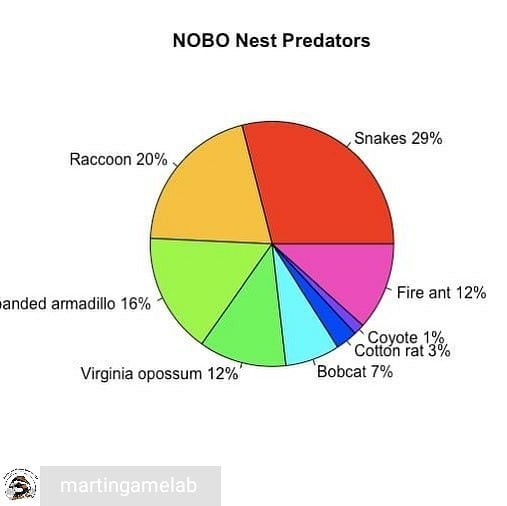
Also, the effects on ground nesting birds are dramatically hurting the populations. Proven by research from Martin Labs and Tall Timbers Research had armadillos ranked 3rd in nest predators at 16% in quail study.
Are the sheer numbers making a difference to all ground nesting birds. Wild Turkey, Quail, Whippoorwills, Pheasant, Rough Grouse etc.
Common sense tells you they are not looking for the eggs, but he bugs under the nest or around the nest, and as they look, they bulldoze the eggs and if they bust them, then the smell of bust eggs draws in other predators or insects.
Some older Wild Turkey Research showed an armadillo was suspected of eating eggs in 1 case, and we know that 2 nests were abandoned when armadillos rambled through and rolled out some of the eggs without breaking them.

|
|
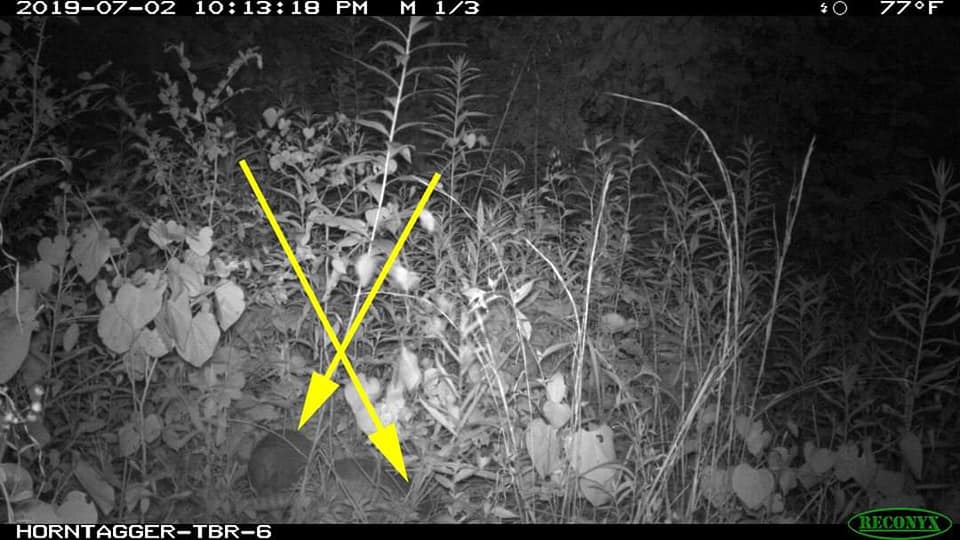
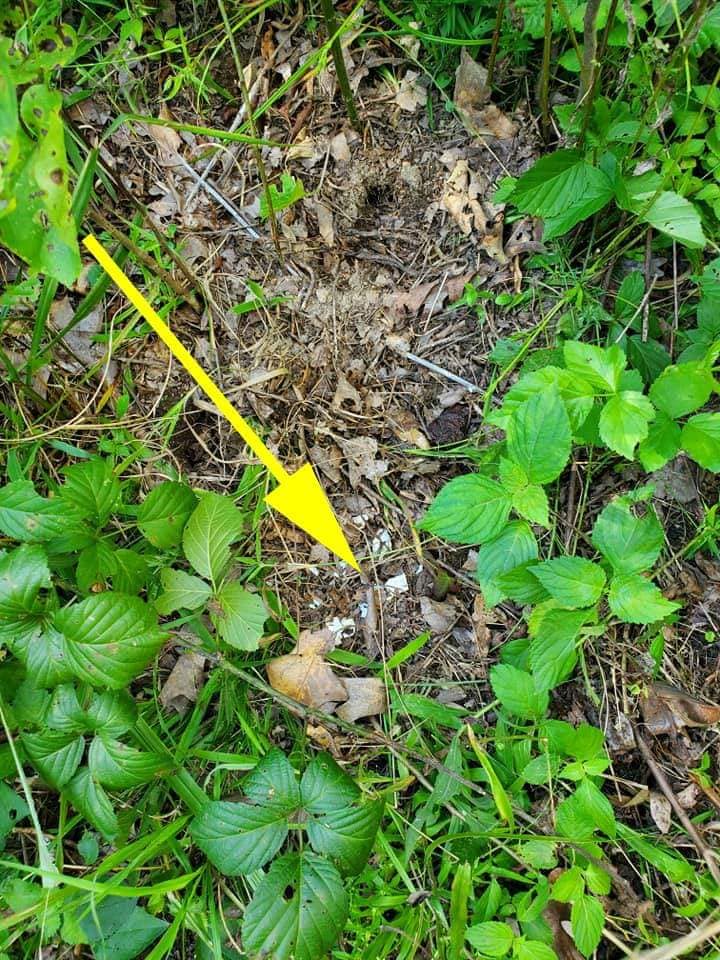
I have two armadillos on game camera going right thru a wild turkey nest and destroying and breaking eggs it, didn’t matter if it was on purpose or accident – Still destroyed – Then raccoons and coyotes finished off the nest.

Wild Turkey hens are very susceptible to nest abandonment when flushed from the nest by a predator. My understanding that intentional flushes of known nests shows that upwards to 50% of all hens abandon their nests after only one contact. Hens that don't abandon after the first event almost never, as high as 85%, suffer more than (2) flushes from the nest.
Does a wild turkey hen know the difference between a raccoon, opossum, bobcat, coyote, wild hog and an armadillo when being flushed off nest or are they just reacting to danger?

Photo by: @Bauer.Outdoors
Video in 2021 shows Armadillo harassing wild turkey hen on nest trying to get to eggs.

|

|
If you never seen it this is what Armadillos do to a Yellow Jacket nest. Eat the larvae and make adults mad.
They destroy all pollinators queen bumble bees that are ground nesting. Digging up nest and eating larva and leaving next exposed.
Yellow Jackets have all but disappeared in the area. Yellow jackets, while not popular, are pollinators and may also be considered beneficial because they eat beetle grubs, flies and other harmful pests.
The armadillo eats insects and other invertebrates. Taking away food from true native wildlife! They are skilled at digging for grubs and occasionally eat berries and ground nesting bird eggs like Quail, Wild Turkey, Ruffed Grouse, Pheasant, Whip-poor-wills, etc., etc.


|

|
Danger to Livestock - Cattle and Horses armadillos can cause damage to livestock in Missouri through their burrowing and rooting behaviors in pasture and the livestock breaking it leg.

|

|